La Palma Caldera de Taburiente Hiking Tours
Explore the dramatic volcanic landscapes of Caldera de Taburiente National Park on guided hiking adventures.
La Palma, a UNESCO Biosphere Reserve, is often called 'La Isla Bonita' for its stunning natural beauty, and at its heart lies the Caldera de Taburiente National Park. This colossal volcanic caldera, a geological marvel shaped over millennia, offers a sanctuary of pine forests, rugged ravines, and crystal-clear streams. Hiking tours within the Caldera de Taburiente provide an unparalleled opportunity to immerse yourself in this unique environment, guided by local experts who can illuminate the park's rich biodiversity, fascinating geology, and historical significance. These tours are designed for various fitness levels, from gentle walks to more challenging treks, ensuring that everyone can experience the grandeur of the Caldera. Visitors can expect to traverse ancient paths, discover hidden waterfalls, and marvel at the sheer scale of the volcanic crater, which is one of the largest in the world. The air is clean, the scenery is breathtaking, and the feeling of stepping into such a pristine natural arena is truly special. It’s not just a hike; it’s an exploration of a living, breathing natural wonder that has captivated visitors for centuries.
Featured Caldera de Taburiente Hiking Tours Tours
Discover our top picks for caldera de taburiente hiking tours in La Palma

Without a doubt, the best activity you can do on La Palma. Discover the Caldera de Taburiente, considered the most emblematic natural wonder of the island. You will fall in love with the different landscapes that this high level hike offers.
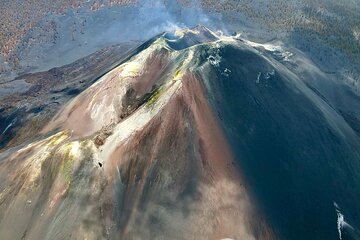
Este no es un tour estándar creado desde una oficina : es un recorrido diseñado persona por Basso Lanzone, guía oficial con años de experiencia explorando cada rincón de La Palma. Cada parada ha sido seleccionada tras innumerables visitas, eligiendo solo lugares que combinan belleza, autenticidad y capacidad de emocionar. A diferencia de otros itinerarios genéricos, aquí vivirás una experiencia equilibrada entre cultura, naturaleza y la fuerza de un volcán reciente. Pasearás por el casco histórico de Santa Cruz, declarado Bien de Interés Cultural; disfrutarás de las vistas únicas de La Cumbrecita en el Parque Nacional de la Caldera de Taburiente; y te acercarás al volcán Tajogaite, testigo de la erupción de 2021, siguindo la carretera nueva trazada sobre la lava. Todo ello acompañado de historias reales, anécdotas y la perspectiva de alguien que ama y conoce profundamente esta isla. Un día diseñado para que regreses con recuerdos imborrables.

We will go to the Mirador de La Concepción, Sanctuary of Las Nieves, to continue to the Visitor Center of La Caldera de Taburiente and Mirador de La Cumbrecita. From there we moved to the Port of Tazacorte, touring El Paso, Los Llanos and Tazacorte (municipality where the Conquest began in 1492). Then we move to the most volcanic area of the Island, crossing the Mirador de San Nicolás, Las Indias and San Antonio Volcano, we pass through the Villa de Mazo, Montaña de la Breña and return to the starting point.
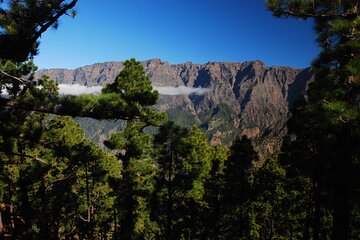
Departure from Los Cancajos or wherever you indicate, including the Airport, to the La Concepción Viewpoint, from there we take the La Cumbre Highway to the La Caldera de Taburiente Visitor Center, passing through the La Cumbre Viewpoint. From the visitor center we continue our excursion to La Cumbrecita where if it is a clear day we can see the imposing Caldera de Taburiente. Then we will go to El Paso and continue towards Los Llanos de Aridane and Tazacorte to continue towards the Puerto de Tazacorte, once there we return through the El Pilar Refuge stopping at the Mirador del Jable and returning to the starting point.
Why Choose Caldera de Taburiente Hiking Tours in La Palma?
Spectacular Volcanic Scenery
Witness the immense scale of one of the world's largest volcanic calderas, carved by erosion into dramatic ravines and peaks.
Rich Biodiversity
Explore lush Canary Island pine forests, home to unique flora and fauna found nowhere else on Earth.
Geological Marvel
Learn about the fascinating geological history of the caldera and its formation from knowledgeable local guides.
Water Features
Discover picturesque streams and waterfalls that add a refreshing contrast to the rugged volcanic landscape.
Park Accessibility
Tours offer access to the heart of the park, often with routes that are otherwise challenging to navigate independently.
Unspoiled Nature
Experience a protected natural environment, offering a peaceful escape and a deep connection with nature.
Types of Caldera de Taburiente Hiking Tours in La Palma
Classic Caldera Rim Hikes
These tours typically follow established trails along the caldera's edge, offering panoramic views into the crater. They are a great introduction for first-time visitors.
Barranco de las Angustias Treks
Focusing on the main ravine leading out of the caldera, these treks often involve walking along the riverbed (in dry seasons) or beside it, showcasing dramatic rock formations and riparian vegetation.
Custom & Photography Tours
For those seeking a more tailored experience, these tours can be adapted to specific interests, such as photography, geology, or birdwatching. They often venture to less-trafficked areas.
Half-Day Caldera Exploration
Designed for travelers with limited time, these shorter excursions provide a solid glimpse into the Caldera's beauty. They focus on accessible viewpoints and shorter trail sections.
What to Expect on Caldera de Taburiente Hiking Tours
Duration
Tours typically range from 3 to 5 hours, with some full-day options available for more extensive exploration.
Weather
Weather can change rapidly within the caldera. Expect sunny conditions but be prepared for cooler temperatures at higher elevations and potential wind or rain, especially outside of summer.
Group Size
Group sizes vary, but many tours aim for smaller groups (10-15 people) for a more intimate experience. Private options are also common.
What's Included
Most tours include an experienced, certified local guide. Some may include transport to/from your accommodation or the park entrance, and occasionally packed lunches or snacks.
Meeting Point
Meeting points are usually in designated visitor centers, car parks near the park entrances (like La Cumbrecita or Los Brecitos), or directly at your accommodation if transport is included.
Costs
Prices typically start around $35-$45 for shorter guided walks and can go up to $70-$100+ for full-day or specialized tours. Entrance to the national park itself is free.
Expert Tips for the Best Experience
Wear sturdy hiking boots with good ankle support. The terrain can be uneven and rocky.
Layer your clothing. Temperatures can fluctuate significantly between the sun and shade, and at different altitudes.
Bring plenty of water. Staying hydrated is crucial, especially on warmer days. Most tours won't have potable water refill points readily available.
Pack sun protection: a hat, sunglasses, and high-factor sunscreen are essential, even on cloudy days.
Carry a small backpack for essentials like water, snacks, a camera, and a light rain jacket.
Check the weather forecast before you go, but always be prepared for unexpected changes.
Inform your guide of any physical limitations or health concerns you may have.
Respect the natural environment. Stick to marked trails and do not disturb flora or fauna.
Frequently Asked Questions
Q:Is Caldera de Taburiente suitable for beginners?
A: Yes, there are several routes within Caldera de Taburiente that are suitable for beginners. Many tours offer easier options focusing on less strenuous paths and shorter distances, allowing everyone to enjoy the park's beauty.
Q:Do I need a guide to hike in Caldera de Taburiente?
A: While you can hike independently, a guide is highly recommended, especially for first-time visitors or those planning longer treks. Guides provide crucial insights into the park's geology, flora, fauna, and history, and enhance safety.
Q:What should I wear for a Caldera de Taburiente hike?
A: Comfortable, sturdy hiking shoes are a must. Wear layers of clothing, including a moisture-wicking base layer, a fleece or insulating layer, and a waterproof or windproof outer shell. Don't forget a hat and sunglasses.
Q:Can I swim in the Caldera?
A: There are streams and natural pools within the Caldera, but swimming is generally not advised or recommended due to cold temperatures and potentially strong currents, especially after rain. It's best to enjoy the scenery.
Q:Are there restaurants or facilities inside the park?
A: There are no restaurants or shops directly within the Caldera de Taburiente National Park. Facilities are limited to visitor centers at the park entrances. It's essential to bring all the food and water you'll need for your hike.
Q:What is the best time of year to visit?
A: Spring (April-May) and autumn (September-October) generally offer pleasant hiking temperatures and fewer crowds. Summer can be warm, while winter may bring cooler weather and occasional snow at higher altitudes.
Q:How do I get to Caldera de Taburiente?
A: Access to the park is primarily via car to designated parking areas like La Cumbrecita or Los Brecitos. Many guided tours include transportation from major towns on La Palma.
Why Visit La Palma?
Discover La Palma, the 'Isla Bonita,' for stunning volcanic landscapes and lush green trails.
Experience the authentic Canary Islands charm away from mass tourism on La Palma.
Enjoy incredible stargazing opportunities thanks to La Palma's protected dark skies.
Explore historic towns like Santa Cruz de La Palma, rich in maritime history.
Immerse yourself in local life with vibrant fiestas and delicious Canarian cuisine.
La Palma offers unparalleled natural beauty and a peaceful escape for true relaxation.
Best Time to Visit
Weather
Spain enjoys a diverse climate, largely Mediterranean along the coasts with hot, dry summers and mild, wet winters. Inland areas, particularly in the central plateau, experience more continental conditions with greater temperature extremes between summer and winter.
Best Months
April to June and September to October offer the most pleasant weather across much of Spain, with warm temperatures, lower humidity, and fewer crowds than the peak summer months.
Peak Season
July and August are the hottest months and the peak tourist season, especially in coastal resorts and major cities. Expect high temperatures, large crowds, and higher prices during this period.
Off Season
November to March is the off-season, characterized by cooler temperatures and potential rainfall, particularly in the north. While not ideal for beach holidays, it's a great time for city breaks, cultural exploration, and enjoying fewer tourists.
Related Travel Guides for La Palma
Explore comprehensive guides to plan your perfect trip, including food tours, cultural experiences, and more.
La Palma Gastronomy Tours: Taste the Canary Islands
Discover the authentic flavours of La Palma on guided culinary tours, savouring local produce, wine, and traditional dishes.
La Palma Biosphere Reserve Tours & Activities
Discover La Palma's natural wonders, from volcanic landscapes to ancient forests, with expertly guided tours and activities.
La Palma Stargazing Tours: Explore the Cosmos
Discover the 'Isla Bonita's' pristine night skies on guided stargazing tours, offering unparalleled views of the Milky Way and distant galaxies.
Santa Cruz de La Palma History Walks Tours
Uncover centuries of maritime heritage and colonial charm on guided history walks through Santa Cruz de La Palma.
La Palma Volcanic Landscape Treks | Discover Tours
Explore La Palma's dramatic volcanic terrains through guided treks, uncovering craters, lava fields, and breathtaking island panoramas.
Plan Your La Palma Trip
Transportation Tips
Getting around La Palma is best achieved by renting a car, which offers the most flexibility to explore its winding roads and remote villages. Local buses (guaguas) connect major towns, but services can be infrequent, especially to more rural areas. Taxis are available but can be costly for longer distances. For hikers, many trailheads are accessible by car, making it the ideal way to discover the island's natural wonders. Consider a compact car for easier navigation on La Palma's sometimes narrow mountain passes.
Car Rental Deals in La Palma
Rent a car for maximum flexibility and explore at your own pace on Expedia USA.
Where to Stay
Find the perfect accommodation for your La Palma adventure. From luxury resorts to cozy hotels, we've got you covered.
Best Hotel Deals in La Palma
Discover top-rated hotels with exclusive rates and special offers on Trivago USA.