La Paz Altitude Hiking: Explore High-Altitude Trails
Discover La Paz's stunning Andean landscapes on guided hiking tours designed for varying fitness levels and breathtaking views.
Compare the best altitude hiking adventures in La Paz — see prices, durations, and book with instant confirmation.
Compare top-rated altitude hiking adventures in La Paz. Small-group and guided options with local experts — see prices and availability below.
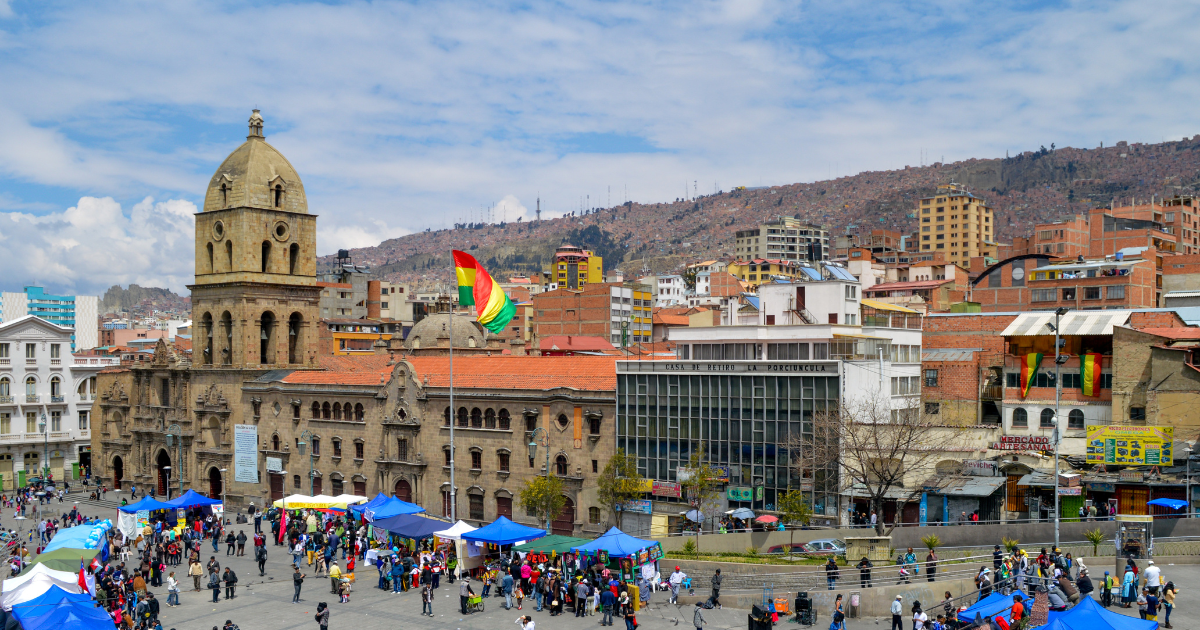
La Paz, a city perched precariously in a canyon, offers a unique gateway to the dramatic Bolivian Andes. Altitude hiking adventures here are not just about traversing trails; they are an immersion into a landscape shaped by immense geological forces and ancient cultures. These tours are designed to take visitors beyond the bustling city streets and into the crisp, thin air of the high altiplano, revealing panoramic vistas that stretch to snow-capped peaks. Whether you're a seasoned trekker or looking for a more accessible way to experience the mountains, La Paz presents a compelling backdrop for exploration. The altitude itself is a defining characteristic of any activity in La Paz, sitting at an average of 3,650 meters (11,975 feet) above sea level. Consequently, hiking tours in this region often incorporate acclimatization considerations, guiding participants along routes that gradually ascend or offer less strenuous options for those adjusting to the elevation. The natural beauty surrounding La Paz is diverse, ranging from rugged mountain passes and high-altitude deserts to more verdant valleys depending on the specific route. Many tours provide opportunities to witness the traditional life of Andean communities, observe unique flora and fauna adapted to the extreme conditions, and gain a profound appreciation for the raw beauty of South America's highest capital city.
Altitude Hiking Adventures in La Paz
Compare top-rated altitude hiking adventures in La Paz — guided experiences, local experts, and small-group options. See prices, durations, and availability.
- Duration
- Weather
- Group Size
- What's Included
- Meeting Point
Looking to book? View all available altitude hiking adventures in La Paz with live pricing and instant confirmation.
Why Choose Altitude Hiking Adventures in La Paz?
Unrivaled Andean Scenery
Experience breathtaking panoramic views of snow-capped peaks, dramatic canyons, and vast altiplano landscapes that are unique to the La Paz region.
Expert Local Guides
Benefit from the knowledge of experienced local guides who understand the terrain, safety protocols, and the cultural significance of the areas you'll explore.
Authentic Cultural Encounters
Many tours offer glimpses into the lives of local Andean communities, providing insights into their traditions, agriculture, and connection to the land.
Diverse Hiking Options
From challenging multi-hour treks to gentler nature walks, there are options suitable for various fitness levels and interests, catering to different types of adventurers.
Safety and Acclimatization Focus
Reputable tours prioritize safety, often including advice on acclimatization and choosing routes that are manageable given the high altitude of La Paz.
Photographer's Paradise
Capture stunning images of dramatic mountain formations, unique vegetation, and expansive skies, making for memorable photographic opportunities.
Types of Altitude Hiking Adventures in La Paz
Full-Day Mountain Treks
These demanding excursions typically involve several hours of hiking, venturing into higher altitudes to reach remote viewpoints or mountain passes. They are best suited for individuals with a good level of fitness and prior experience with high-altitude environments.
Half-Day Scenic Hikes
A popular choice for many visitors, these tours offer a more manageable hiking experience, often focusing on trails with exceptional views of La Paz or surrounding mountains. They are ideal for those looking to acclimatize or who have less time available.
Valley Exploration Walks
Some tours venture into nearby valleys and canyons that, while still at altitude, offer a slightly different environment. These walks might explore unique geological formations, visit small rural communities, or focus on the specific flora and fauna of these microclimates.
What to Expect on Altitude Hiking Adventures Tours in La Paz
Duration
Most tours range from 3 hours for shorter scenic walks to 6-8 hours for more ambitious full-day treks. Always check the specific tour details for exact timings.
Weather
Weather in the Andes can change rapidly. Expect sunny periods, strong winds, and potentially cold temperatures, even during the dry season. Layers are essential, and rain gear is always advisable.
Group Size
Group sizes typically vary from small, intimate groups of 2-4 people to larger excursions of up to 15-20 participants, depending on the tour operator and type of hike.
What's Included
Common inclusions are private transportation to and from the trailhead, a knowledgeable guide, and sometimes snacks or a packed lunch for longer tours. Water is usually not provided, so bring your own.
Meeting Point
Meeting points are often in the city center of La Paz, typically near your accommodation or a recognizable landmark. Some tours may offer hotel pickup as part of the service.
Costs
Prices can range from approximately $30 USD for a half-day group tour to $100+ USD for private, full-day excursions with specialized guides and transport.
Expert Tips for the Best Experience
Acclimatize properly before attempting any strenuous hikes. Spend at least 24-48 hours in La Paz before a demanding trek.
Stay hydrated. Drink plenty of water before, during, and after your hike. Avoid alcohol and caffeine on your first day at altitude.
Wear layers. The temperature can fluctuate significantly throughout the day. Include moisture-wicking base layers, insulating mid-layers, and a windproof/waterproof outer shell.
Invest in good hiking boots. Proper footwear with ankle support is crucial for navigating uneven terrain and protecting your feet.
Listen to your body. Altitude sickness can affect anyone. If you experience symptoms like headache, nausea, or dizziness, descend or rest.
Inform your guide of any pre-existing medical conditions. They are trained to assist in emergencies.
Carry a small backpack with essentials: water, snacks, sunscreen, a hat, sunglasses, and a basic first-aid kit.
Learn a few basic Quechua or Aymara phrases. Locals often appreciate the effort, and it can enhance your interactions.
Frequently Asked Questions
Q:Is it safe to hike at this altitude in La Paz?
A: Yes, hiking tours in La Paz are generally safe when conducted with reputable operators. Guides are experienced with the terrain and altitude, and most tours are designed with acclimatization in mind. However, it's crucial to listen to your body and inform your guide of any discomfort.
Q:What is the best time of year for altitude hiking in La Paz?
A: The dry season, from May to October, is generally considered the best time for hiking. You'll experience clearer skies, less rain, and more stable weather conditions, although it can be colder.
Q:What should I pack for an altitude hiking tour?
A: Essentials include plenty of water, high-energy snacks, sunscreen (the sun is intense at altitude), a hat, sunglasses, and comfortable, broken-in hiking boots. Layers of clothing are key, including a waterproof and windproof jacket.
Q:Will I get altitude sickness on a hiking tour?
A: Altitude sickness is a risk at these elevations. Symptoms can include headaches, nausea, and dizziness. Taking it easy, staying hydrated, and not overexerting yourself on your first day can significantly reduce the risk. Most tours are mindful of this.
Q:Can I book a private altitude hiking tour?
A: Absolutely. Many operators offer private tours, which can be customized to your fitness level, interests, and desired pace. This is often a good option if you're concerned about your acclimatization or want a more personalized experience.
Q:What is the average temperature during a hike?
A: Temperatures can vary greatly depending on the altitude and time of day. Expect anything from cool to cold, often ranging from 0°C to 15°C (32°F to 59°F), with sunny periods being warmer and windier conditions much colder.
Q:Are there any tours suitable for beginners?
A: Yes, there are many options designed for beginners. Look for tours specifically labeled as 'easy,' 'beginner-friendly,' or 'scenic walks.' These will focus on less strenuous routes and often include more time for rest and enjoying the views.
Related Travel Guides for La Paz
Explore comprehensive guides to plan your perfect trip, including food tours, cultural experiences, and more.
La Paz Airport Transfers
For travelers arriving in Bolivia, finding convenient transport from El Alto International Airport (LPB) to La Paz is essential. You can easily compare a range of airport transfer options, including shared shuttles and private vehicles, from various providers. Booking your transfer in advance ensures a smooth start to your La Paz adventure.
La Paz Andean Cultural Tours & Activities
Discover ancient traditions and vibrant local life with authentic Andean cultural experiences in La Paz, Bolivia.
La Paz Culinary Tours: Taste Bolivia's Flavors
Embark on a delicious exploration of La Paz's vibrant food scene with expertly guided culinary tours.
La Paz Bus Tours: Explore the City!
Discover La Paz's highlights and hidden gems from the comfort of a bus tour.
La Paz Colonial Architecture Walks: Explore History
Discover the rich architectural heritage of La Paz on guided walks that bring the city's colonial past to life.
La Paz Day Trip Adventures
Explore the best of La Paz with convenient and exciting day trip options.
Getting Around La Paz
Save up to 70% on car rentals in La Paz when you compare and book in advance.