Malaga Andalusian History & Moorish Architecture Tours
Explore Malaga's rich past, from ancient Phoenician roots to stunning Moorish artistry and Andalusian heritage.
Compare the best andalusian history & moorish architecture in Malaga — see prices, durations, and book with instant confirmation.
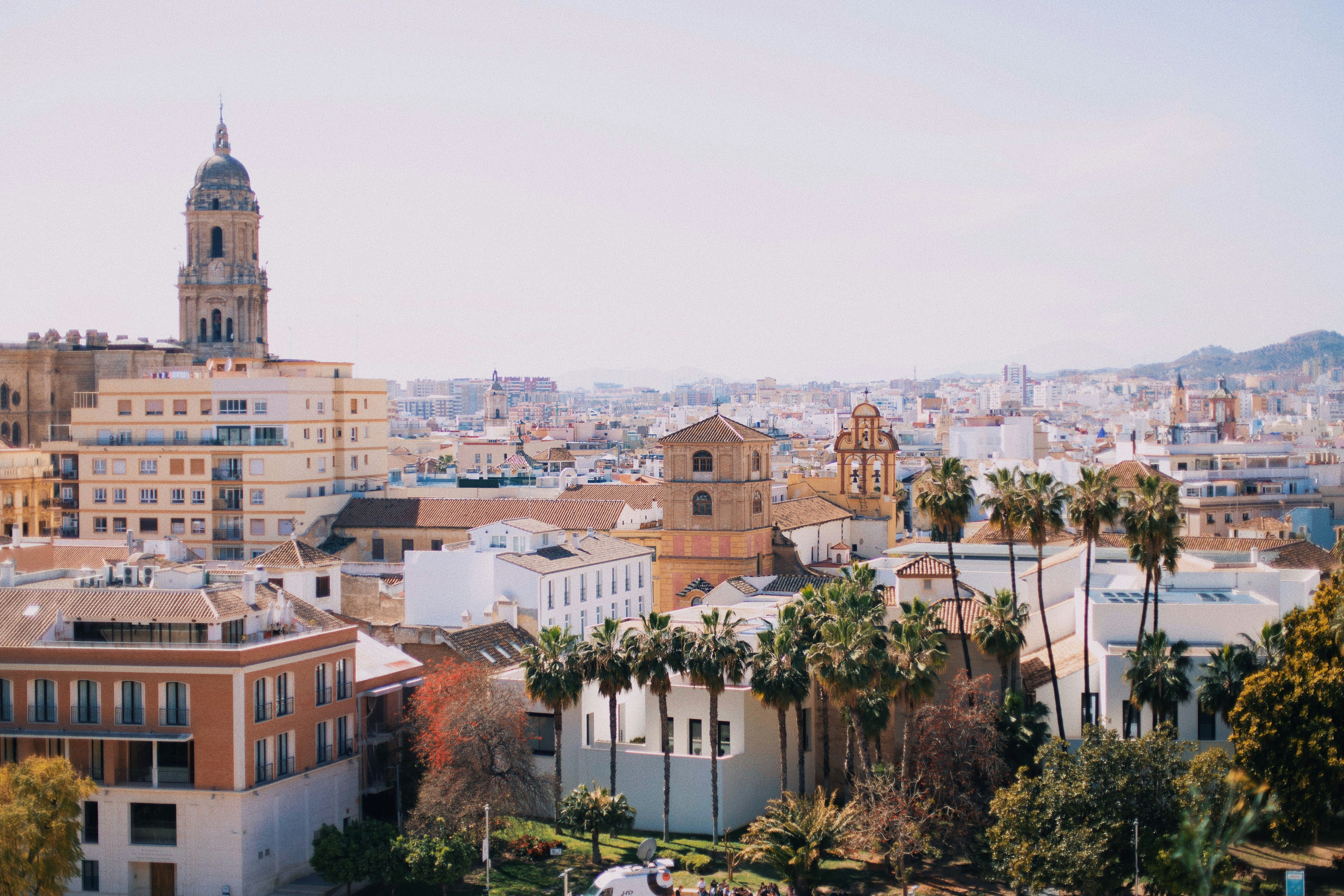
Compare top-rated andalusian history & moorish architecture in Malaga. Small-group and guided options with local experts — see prices and availability below.
Malaga Andalusian History & Moorish Architecture tours delve into the city's layered past, revealing centuries of cultural influence. These tours guide you through the remnants of Phoenician, Roman, and especially Moorish civilizations that shaped southern Spain. Discover the Alcazaba, a formidable 11th-century Moorish fortress offering panoramic views, and explore its intricate courtyards and defensive walls. Wander through the historic center, where narrow streets echo with tales of al-Andalus. Understand the architectural evolution from its Islamic foundations to the later Christian reconquest, evident in churches built on former mosques. These experiences offer a profound connection to Malaga's unique identity, blending ancient fortifications with vibrant Andalusian life, providing a tangible link to the region's storied history.
Andalusian History & Moorish Architecture in Malaga
Compare top-rated andalusian history & moorish architecture in Malaga — guided experiences, local experts, and small-group options. See prices, durations, and availability.
- Duration
- Group Size
- Key Sites Visited
- Expert Commentary
- Inclusions
Looking to book? View all available andalusian history & moorish architecture in Malaga with live pricing and instant confirmation.
Why Choose Andalusian History & Moorish Architecture in Malaga?
Expert Guidance
Benefit from knowledgeable local guides who bring Malaga's complex history and architecture to life with detailed insights.
Key Historical Sites
Visit essential landmarks like the Alcazaba, Roman Theatre, and the Cathedral, understanding their significance within the city's development.
Photogenic Views
Capture stunning vistas and intricate architectural details, particularly from elevated viewpoints within historic fortifications.
Value for Money
Find a range of options to suit different budgets, ensuring access to historical exploration without breaking the bank.
Flexible Scheduling
Tours are available daily, allowing you to integrate historical discovery seamlessly into your Malaga itinerary.
Small Group Focus
Many tours prioritize smaller groups, fostering a more intimate and interactive learning experience with your guide.
Types of Andalusian History & Moorish Architecture in Malaga
Guided Walking Tours
Explore Malaga's historic center on foot, focusing on the evolution of its architecture and historical narrative.
Alcazaba & Roman Theatre Tours
Focus specifically on these iconic monuments, understanding their military and cultural importance throughout history.
History & Culture Immersions
Broader tours that contextualize Malaga's history within the broader Andalusian and Spanish narratives.
Themed Historical Excursions
Tours focusing on specific aspects, such as the art, daily life, or key figures of Malaga's past.
What to Expect on Malaga Andalusian History & Moorish Architecture Tours
Duration
Tours typically range from 2 hours for focused site visits like the Alcazaba to 4-6 hours for comprehensive historical explorations of the city center.
Group Size
Expect group sizes varying from intimate private tours to small group excursions of around 10-20 participants, allowing for a personalized experience.
Key Sites Visited
Core attractions commonly include the Alcazaba, Roman Theatre, Malaga Cathedral, the Gibralfaro Castle (often viewed from afar or accessible on longer tours), and the historic old town's atmospheric streets.
Expert Commentary
Guides are typically licensed historians or local experts who provide rich context, stories, and architectural analysis, bringing the past to life.
Inclusions
Most tours include the guide's commentary. Entrance fees to sites like the Alcazaba are sometimes included, but it's advisable to check specific tour details.
What to Wear
Comfortable walking shoes are essential. Light, breathable clothing is recommended due to Malaga's often warm climate. Sun protection (hat, sunscreen) is also advisable.
Expert Tips for the Best Experience
Book guided tours that include access to the Alcazaba and Roman Theatre together to maximize your understanding of their interconnected history.
Consider tours that start early in the morning or later in the afternoon to avoid the midday sun and larger crowds, especially during peak season.
Look for tours that explain the architectural transitions, showcasing how Moorish structures were adapted or built upon after the Christian reconquest.
Don't hesitate to ask your guide about the everyday lives of people during different historical periods; this adds a human element to the history.
Wear comfortable shoes as you'll be doing a significant amount of walking, often on uneven surfaces or cobblestone streets.
Carry a small bottle of water, especially during warmer months, as you'll be exploring outdoor sites extensively.
Check if the tour includes skip-the-line access for major attractions like the Alcazaba, as this can save considerable time.
Research your guide's specializations; some might focus more on the Moorish era, others on Roman history or later Andalusian culture.
Frequently Asked Questions
Q:What are the most important historical sites in Malaga related to Moorish architecture?
A: The undisputed crown jewel is the Alcazaba, an 11th-century Moorish fortress palace that served as the residence for the rulers of Malaga. Its intricate design, with peaceful courtyards, defensive walls, and stunning views, exemplifies Andalusian Islamic architecture. Adjacent to it lie the remains of a Roman Theatre, demonstrating the layers of history on a single site. While not purely Moorish, the Gibralfaro Castle, built to defend the Alcazaba, offers further insight into military architecture of the period and breathtaking panoramas. Exploring these sites with knowledgeable guides reveals the sophisticated engineering and aesthetic sensibilities of the Moorish era in Malaga, a period that profoundly influenced the city's character.
Q:Are there specific tours that focus on the transition from Moorish rule to Christian Spain?
A: Yes, many guided tours in Malaga are designed to highlight this significant historical transition. These excursions often start by exploring the Moorish remnants, such as the Alcazaba, explaining their original purpose and architectural style. They then proceed to sites where Christian influences are evident, such as the Malaga Cathedral, which was built on the site of a former mosque. Guides will detail the architectural adaptations, the integration of Christian iconography, and the socio-political shifts that occurred during the Reconquista. Understanding this interplay is crucial to grasping the full historical tapestry of Malaga, as many buildings and urban layouts bear the marks of both cultures.
Q:What is the typical duration and cost for a guided tour of Malaga's historical sites?
A: Guided tours focusing on Malaga's Andalusian history and Moorish architecture vary in duration and price. Shorter walking tours of the historic center might last 2 to 3 hours and can range from €30 to €50 per person. Tours that include in-depth visits to the Alcazaba and Roman Theatre, often lasting 3 to 4 hours, may cost between €40 and €70. Some comprehensive tours covering multiple historical periods and sites, potentially including transport or special access, can extend to 5 or 6 hours and cost upwards of €70. It's important to check what each tour package includes, as entrance fees to attractions like the Alcazaba may or may not be part of the quoted price.
Q:Can I visit these historical sites independently, or is a guide recommended?
A: While it's certainly possible to visit sites like the Alcazaba and Roman Theatre independently, engaging a licensed guide offers a significantly richer and more insightful experience. Guides possess deep knowledge of the historical context, architectural details, and the cultural significance of each element, which may not be apparent through signage alone. They can weave together the complex narratives of Phoenician, Roman, Moorish, and Christian periods, connecting them to the present-day city. For understanding the nuances of Moorish architecture and the profound historical shifts Malaga underwent, a guide's expertise can illuminate aspects you might otherwise miss, transforming a sightseeing trip into a genuine historical exploration.
Q:What is the best time of year to take a historical tour in Malaga?
A: Malaga enjoys a Mediterranean climate, making it a pleasant destination for historical tours year-round. Spring (April to June) and Autumn (September to November) are particularly ideal. During these periods, the weather is typically mild and sunny, perfect for walking and exploring outdoor sites like the Alcazaba without the intense heat of summer. You'll also encounter fewer crowds compared to the peak summer months of July and August. While winter (December to March) can be cooler and occasionally rainy, it offers the fewest crowds and often the lowest prices for tours and accommodation, still providing ample opportunity to appreciate the historical wonders.
Q:Are there any specific architectural elements I should look for on a Moorish architecture tour?
A: On a Moorish architecture tour in Malaga, pay close attention to several key elements. Look for horseshoe arches, which are characteristic and often seen in doorways and windows. Observe the intricate tilework, known as 'azulejos', often featuring geometric patterns or calligraphy. Courtyards with central fountains and surrounding arcades were designed for both aesthetics and climate control, providing a cool, serene space. Small, decorative windows and ornate plasterwork ('yesería') are also common. The strategic layout of fortresses like the Alcazaba, with its multiple defensive layers and internal gardens, demonstrates a sophisticated understanding of engineering and living spaces. These details collectively define the unique beauty and functionality of Hispano-Moorish design.
Q:What should I wear and bring on a historical walking tour?
A: Comfort is paramount for exploring Malaga's historical sites. You will be doing a considerable amount of walking, often on uneven terrain, cobblestone streets, and potentially up inclines. Therefore, comfortable walking shoes are absolutely essential. Lightweight, breathable clothing is recommended, especially from spring through autumn, as Malaga can get quite warm. Bring sun protection: a hat or cap, sunglasses, and sunscreen, as many key sites are exposed. A reusable water bottle is also a good idea to stay hydrated. Depending on the season, a light jacket or scarf might be useful for cooler mornings or evenings. Most importantly, bring your curiosity and an openness to learn.
Q:How do the Roman ruins interact with the Moorish architecture in Malaga?
A: In Malaga, the Roman Theatre and the Moorish Alcazaba stand in close proximity, illustrating the city's deep historical layering. The Roman Theatre, dating back to the 1st century AD, was rediscovered during the construction of a Moorish palace in the 11th century, highlighting how later civilizations often built upon or repurposed older foundations. The Alcazaba itself was constructed using some materials, or 'spolia', from earlier Roman structures. This juxtaposition showcases a fascinating historical dialogue, where remnants of Roman engineering and urban planning are visible alongside the distinct architectural styles and defensive strategies of the Moors. Tours often visit both sites to emphasize this continuous evolution of the city's urban fabric.
Related Travel Guides for Malaga
Explore comprehensive guides to plan your perfect trip, including food tours, cultural experiences, and more.
Malaga Airport Transfers
Travelers arriving at Málaga Airport can easily find and book onward transportation. This platform allows you to compare a variety of shared and private transfer options from different providers to reach your final destination in Malaga and surrounding areas. Secure your airport transfer in advance for a smooth start to your Spanish holiday.
Malaga's Best Conversion Tours
Discover the best experiences in Malaga, optimizing your time and enjoyment.
Malaga Boat Rentals: Sail the Coast!
Explore the stunning coastline of Malaga with a boat rental experience.
Malaga Bus Tours: See the City!
Explore Malaga's highlights and hidden gems with convenient and informative bus tours.
Malaga Coastal & Beach Excursions
Discover sun-drenched shores, azure waters, and charming seaside towns along Spain's vibrant Costa del Sol.
Malaga Day Trips: Explore Beyond!
Discover the best day trips from Malaga, exploring the Andalusian region.
Getting Around Malaga
Save up to 70% on car rentals in Malaga when you compare and book in advance.