Petra Ancient City Architectural Tours
Explore the monumental Nabataean capital of Petra on tours highlighting its incredible stone-carved architecture and history.
Compare the best ancient city architectural tours in Petra — see prices, durations, and book with instant confirmation.
Compare top-rated ancient city architectural tours in Petra. Small-group and guided options with local experts — see prices and availability below.
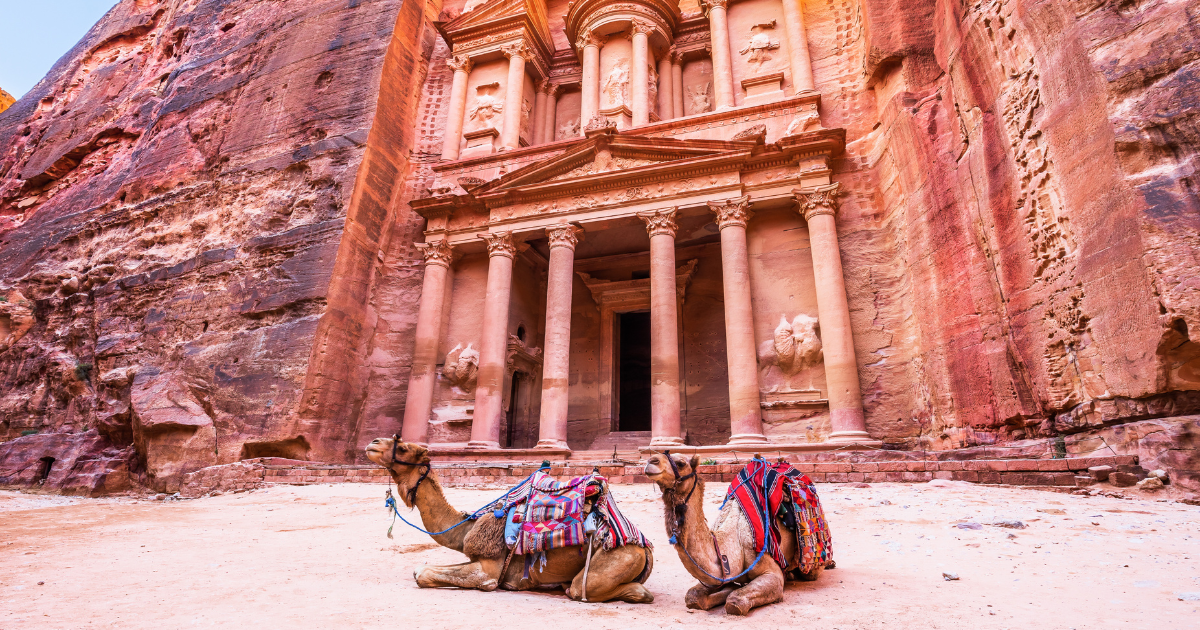
Petra, the Rose City, is a testament to human ingenuity and artistry. Carved directly into vibrant sandstone cliffs by the Nabataeans over 2,000 years ago, its architectural wonders are unlike anything else on Earth. Ancient City Architectural Tours in Petra delve deep into the history and construction of this UNESCO World Heritage site. These guided excursions are designed for those who want to go beyond a casual stroll and truly understand the engineering marvels and the civilization that created them. Imagine walking through the Siq, a narrow gorge that dramatically opens up to reveal the iconic Treasury (Al-Khazneh). Tours focus on the intricate details of this facade, discussing its purpose and the techniques used by the Nabataean stonemasons. You'll learn about the sophisticated water management systems, the various tomb styles, and the influences that shaped Petra's unique aesthetic. Beyond the famous landmarks, these tours often venture into lesser-visited areas, revealing hidden temples, residential caves, and the vastness of the ancient city's infrastructure, all explained through the lens of its architecture.
Ancient City Architectural Tours in Petra
Compare top-rated ancient city architectural tours in Petra — guided experiences, local experts, and small-group options. See prices, durations, and availability.
- Duration
- Weather
- Group Size
- What's Included
- Meeting Point
Looking to book? View all available ancient city architectural tours in Petra with live pricing and instant confirmation.
Why Choose Ancient City Architectural Tours in Petra?
Unrivaled Architectural Marvels
Witness firsthand the breathtaking skill of Nabataean stonemasons, who carved an entire city from rock.
Deep Historical Context
Gain insights into the Nabataean civilization, their trade routes, and their architectural innovations.
Expert Local Guides
Benefit from the knowledge of experienced guides who bring Petra's history and structures to life.
Photogenic Exploration
Capture stunning images with expert guidance on the best vantage points and architectural details to focus on.
Comprehensive City Insights
Explore beyond the main attractions to understand the full scope of Petra's ancient urban planning.
Optimized Itinerary
Tours are structured to efficiently cover key architectural highlights and historical significance within a manageable timeframe.
Types of Ancient City Architectural Tours in Petra
Classic Petra Architectural Walk
This is the most popular type of tour, focusing on the iconic structures like the Treasury, Monastery, and the Royal Tombs. Guides explain the Hellenistic and Nabataean influences visible in the facades and interior carvings.
Hidden Petra Architecture Exploration
For those seeking a deeper dive, these tours often venture off the main path to explore less-visited tombs, residential caves, and religious sites. They highlight different architectural styles and construction techniques used throughout the city's history.
Half-Day Architectural Deep Dive
These tours offer a more intensive exploration, covering a significant portion of Petra's architectural highlights with detailed explanations of historical context, engineering, and cultural significance. Often includes a visit to the Monastery.
What to Expect on Petra Ancient City Architectural Tours
Duration
Most architectural tours in Petra typically last between 3 to 4 hours, though some in-depth explorations can extend longer.
Weather
Petra experiences desert climate with hot summers and cool winters. Sun protection (hat, sunscreen, sunglasses) and comfortable walking shoes are essential year-round.
Group Size
Group sizes can vary from intimate private tours with just your party to small groups of 10-15 people. Larger coach tours are also available.
What's Included
Tours typically include a licensed guide. Entrance fees to Petra are usually separate and must be purchased in advance or at the visitor center. Some may include bottled water.
Meeting Point
Meeting points are usually at the Petra Visitor Center, just outside the entrance to the ancient city, or at a designated hotel in Wadi Musa.
Costs
Prices vary based on tour type, duration, and group size, generally ranging from $30 USD for group tours to $150+ USD for private, in-depth experiences.
Expert Tips for the Best Experience
Book your Petra entrance ticket and your tour in advance, especially during peak season, to avoid queues.
Wear comfortable walking shoes. You'll be doing a lot of walking on uneven terrain, sand, and stone.
Carry plenty of water. Hydration is crucial in Petra's arid climate, and water can be expensive inside the site.
Protect yourself from the sun with a wide-brimmed hat, sunglasses, and high SPF sunscreen.
Arrive early. Starting your tour earlier in the day often means fewer crowds and cooler temperatures.
Engage with your guide. Ask questions about the architecture, history, and Nabataean culture – they are your best resource.
Consider a tour that includes the Monastery (Ad-Deir). It's a significant architectural feat and offers spectacular views.
Be prepared for some uphill walking, particularly if your tour includes sites like the Monastery or the High Place of Sacrifice.
Frequently Asked Questions
Q:Is Petra difficult to walk around?
A: Petra involves a significant amount of walking over uneven terrain, including sand and ancient stone paths. While the main path through the Siq and to the Treasury is relatively flat, exploring further requires more effort and uphill climbs. Comfortable walking shoes are a must.
Q:Do I need to buy a separate ticket for Petra?
A: Yes, the entrance fee for Petra is separate from the tour cost. You will need to purchase a Jordan Pass (which includes visa fees and Petra entry) or an individual Petra ticket at the Visitor Center before your tour begins.
Q:What is the best time of year to visit Petra for architectural tours?
A: Spring (March to May) and Autumn (September to November) offer the most pleasant weather for exploring Petra's architecture, with mild temperatures and lower humidity. Summer can be extremely hot, and winter can be cool and rainy.
Q:Can I take photos during an architectural tour?
A: Absolutely! Petra is incredibly photogenic. Guides often point out the best angles and details to capture, though please be respectful of other visitors and any restrictions in certain areas.
Q:Are there restrooms and places to buy food inside Petra?
A: Yes, there are restrooms located at various points within Petra, particularly near the Visitor Center, the Basin restaurant area, and halfway up to the Monastery. There are also small kiosks selling drinks and snacks, but bringing your own water is highly recommended.
Q:What should I wear on an architectural tour of Petra?
A: Lightweight, breathable clothing is ideal. Layers are good for cooler mornings or evenings. Comfortable, sturdy walking shoes are essential. A hat and sunglasses are also highly recommended for sun protection.
Q:How much walking is involved in a typical Petra architectural tour?
A: A standard 3-4 hour architectural tour will cover several kilometers. If your tour includes the Monastery, add an extra couple of hours and a strenuous uphill hike to the walking distance.
Related Travel Guides for Petra
Explore comprehensive guides to plan your perfect trip, including food tours, cultural experiences, and more.
Extra Costs at Petra
Be aware of potential additional fees when exploring the ancient city of Petra.
Petra Airport Transfers
Travelers seeking transfers to Petra from Amman Queen Alia International Airport (AMM) can explore various options. This platform allows you to compare different providers for shared and private transfers, ensuring you find the most suitable and cost-effective journey to the ancient city. Booking in advance is recommended to secure your preferred transfer.
Petra Bedouin Cultural Experiences: Tours & Activities
Immerse yourself in the ancient traditions and desert hospitality of the Bedouin people within the magnificent backdrop of Petra.
Petra: Culinary & Drink Adventures
Savor authentic Jordanian flavors and refreshing drinks in the ancient city of Petra.
Petra: Full-Day Tours
Explore the ancient city of Petra with immersive full-day tour experiences.
Petra: Half-Day Tours
Explore the ancient city of Petra with efficient and engaging half-day tours.
Getting Around Petra
Save up to 70% on car rentals in Petra when you compare and book in advance.