Siem Reap Khmer History & Culture Walks
Step beyond Angkor Wat's grandeur and delve into the heart of Khmer heritage with guided walks through Siem Reap's living culture and history.
Compare the best khmer history & culture walks in Siem Reap — see prices, durations, and book with instant confirmation.
Compare top-rated khmer history & culture walks in Siem Reap. Small-group and guided options with local experts — see prices and availability below.
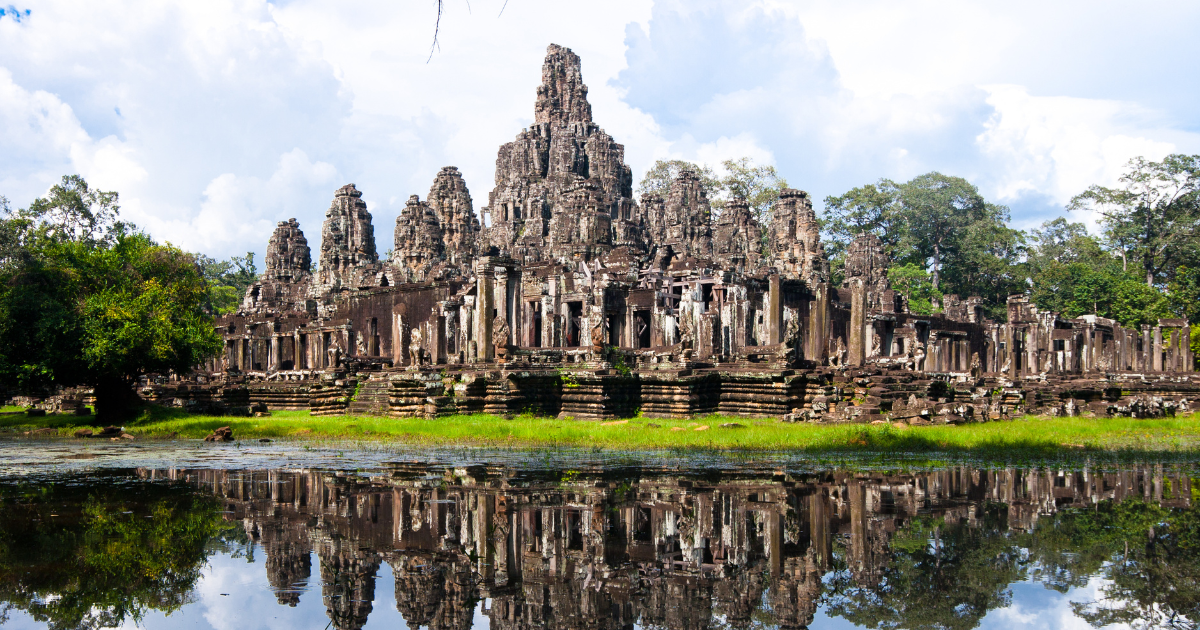
Siem Reap is inextricably linked with the colossal Angkor Wat and the other awe-inspiring temples of the Angkor Archaeological Park. While these ancient wonders are undoubtedly the main draw, a deeper understanding of Cambodia's rich Khmer heritage requires stepping beyond the temple stones and into the vibrant life of the city and its surrounds. Khmer History & Culture Walks in Siem Reap offer this essential perspective, connecting you with the traditions, daily rhythms, and narratives that have shaped this resilient nation. These guided explorations provide a unique opportunity to witness firsthand the living culture that has endured through centuries of history. Instead of just observing, visitors can engage with local communities, learn about traditional crafts, understand Buddhist influences on daily life, and gain insights into the Khmer Rouge era's lasting impact. Unlike the grand scale of the temples, these walks focus on the intimate details, the stories of everyday people, and the cultural threads that weave through modern Cambodian society. It's about connecting the monumental past with the dynamic present, offering a more nuanced and meaningful travel experience.
Khmer History & Culture Walks in Siem Reap
Compare top-rated khmer history & culture walks in Siem Reap — guided experiences, local experts, and small-group options. See prices, durations, and availability.
- Duration
- Weather
- Group Size
- What's Included
- Meeting Point
Looking to book? View all available khmer history & culture walks in Siem Reap with live pricing and instant confirmation.
Why Choose Khmer History & Culture Walks in Siem Reap?
Local Immersion
Gain direct access to local communities and understand daily life in Siem Reap.
Contextualized History
Understand the historical and cultural context that shaped the Angkorian era and modern Cambodia.
Expert Local Guides
Benefit from the knowledge and personal stories of guides deeply connected to Khmer heritage.
Beyond the Temples
Experience the vibrant contemporary culture that exists alongside the ancient ruins.
Meaningful Connections
Foster a deeper appreciation for Cambodian resilience and traditions through interactive experiences.
Flexible Exploration
Discover hidden corners and local perspectives often missed on standard temple tours.
Types of Khmer History & Culture Walks in Siem Reap
Old Town & Local Markets
Wander through Siem Reap's charming old town, explore bustling local markets like Psar Chas (Old Market), and learn about traditional commerce and Cambodian ingredients.
Buddhist Heritage & Village Life
Discover the importance of Buddhism in Cambodian life by visiting local pagodas, learning about monastic traditions, and interacting with villagers in nearby communities.
Modern History & Resilience
Gain a profound understanding of Cambodia's more recent history, including the Khmer Rouge era and the subsequent rebuilding of society, through sensitive storytelling and visits to relevant sites.
Artisan Workshops & Crafts
Visit workshops and studios to learn about traditional Khmer crafts such as silk weaving, wood carving, and lacquerware. Witness artisans at work and understand the cultural significance of these skills.
What to Expect on Khmer History & Culture Walks Tours
Duration
Tours typically range from 3 to 4 hours, allowing for a comprehensive yet manageable exploration of the chosen theme.
Weather
Siem Reap is hot and humid year-round. Most walks are scheduled for cooler morning or late afternoon hours, but comfortable clothing, a hat, and sunscreen are essential.
Group Size
Group sizes are usually small, often ranging from 2 to 10 participants, ensuring a more personal and interactive experience.
What's Included
Typically includes a knowledgeable local guide, entrance fees to specific sites if applicable, and sometimes a light refreshment or water. Check individual tour details for specifics.
Meeting Point
Meeting points vary depending on the specific tour but are often in central Siem Reap, such as hotel lobbies, recognizable landmarks, or specific market entrances.
Costs
Prices generally start around $30 per person for small group tours and can go up to $70 or more for private or specialized experiences. Prices can vary significantly based on inclusions and group size.
Expert Tips for the Best Experience
Engage with your guide: Ask questions, share your thoughts, and listen to their personal stories. This is where the true depth of Khmer culture reveals itself.
Dress respectfully: When visiting pagodas or interacting with elders, ensure shoulders and knees are covered to show respect.
Stay hydrated: Carry a reusable water bottle and refill it whenever possible. The tropical climate can be demanding.
Be open to trying new things: Whether it's a local snack at the market or a new perspective on history, an open mind enhances the experience.
Consider the season: The dry season (November to April) offers more pleasant walking conditions, though the green season (May to October) brings lush landscapes and fewer crowds.
Learn a few Khmer phrases: Simple greetings like 'Suosdei' (hello) and 'Arkoun' (thank you) are always appreciated.
Pace yourself: Don't try to cram too much into one day. Allow for rest and reflection, especially after temple visits.
Be mindful of photography: Always ask for permission before taking close-up photos of people, especially children or during religious ceremonies.
Frequently Asked Questions
Q:Are these walks physically demanding?
A: Generally, these are moderate walking tours. They involve walking on varied terrain, including pavements and sometimes unpaved paths. Most are manageable for individuals with average fitness, but it's always good to check specific tour details if you have concerns.
Q:What is the best time of day for these walks?
A: Most tours are scheduled for early mornings or late afternoons to avoid the harshest heat of the day. These times also offer beautiful natural light for photos and a more relaxed atmosphere.
Q:Can I book a private Khmer History & Culture Walk?
A: Yes, many operators offer private tours. This allows for a more customized itinerary and a more in-depth experience with your guide, often at a higher price point.
Q:What should I wear on a culture walk?
A: Lightweight, breathable clothing is recommended. Comfortable walking shoes are a must. A hat and sunglasses are also advisable, and if you plan to visit temples or pagodas, ensure you have clothing that covers your shoulders and knees.
Q:Do these tours cover the Khmer Rouge period?
A: Some tours specifically focus on Cambodia's more recent history, which includes the Khmer Rouge era. These are often handled with sensitivity by guides who provide historical context and personal accounts.
Q:Are food and drinks included?
A: This varies by tour. Some may include a tasting of local snacks or refreshments. Always check the 'What's Included' section of the tour description before booking to know for sure.
Q:How do I book a tour?
A: You can compare and book Khmer History & Culture Walks in Siem Reap directly through this platform. Simply browse the available options, read reviews, and select the tour that best fits your interests and schedule.
Q:What if I have mobility issues?
A: It's best to contact the tour operator directly to discuss your specific needs. While many tours involve walking, some might be more accessible than others, or modifications might be possible for private bookings.
Related Travel Guides for Siem Reap
Explore comprehensive guides to plan your perfect trip, including food tours, cultural experiences, and more.
Siem Reap: Additional Fees to Know
Be prepared for potential extra costs beyond the tour price during your Siem Reap adventure.
Siem Reap Airport Transfers
Begin your Cambodian adventure smoothly by comparing airport transfer options for Siem Reap International Airport. Travelers can find and book various shared and private transfer services directly from the airport to their accommodation, ensuring a comfortable start to their visit. Compare prices and vehicle types to suit your needs.
Angkor Wat Sunrise & Sunset Tours | Siem Reap
Witness the ethereal dawn and golden dusk over Cambodia's most iconic temple complex with guided tours.
Siem Reap: Attractions & Museums
Explore the rich history and culture of Siem Reap through its fascinating museums and landmarks.
Siem Reap Bike Tour Adventures
Explore the temples and countryside of Siem Reap on two wheels with guided bike tours.
Siem Reap Bus Tour Adventures
Explore Siem Reap's highlights and cultural treasures from the comfort of a bus.
Getting Around Siem Reap
Save up to 70% on car rentals in Siem Reap when you compare and book in advance.