Petra Nabataean History & Archaeology Walks
Uncover the ancient secrets of Petra through expert-led walks focusing on Nabataean history and archaeology.
Compare the best nabataean history & archaeology walks in Petra — see prices, durations, and book with instant confirmation.
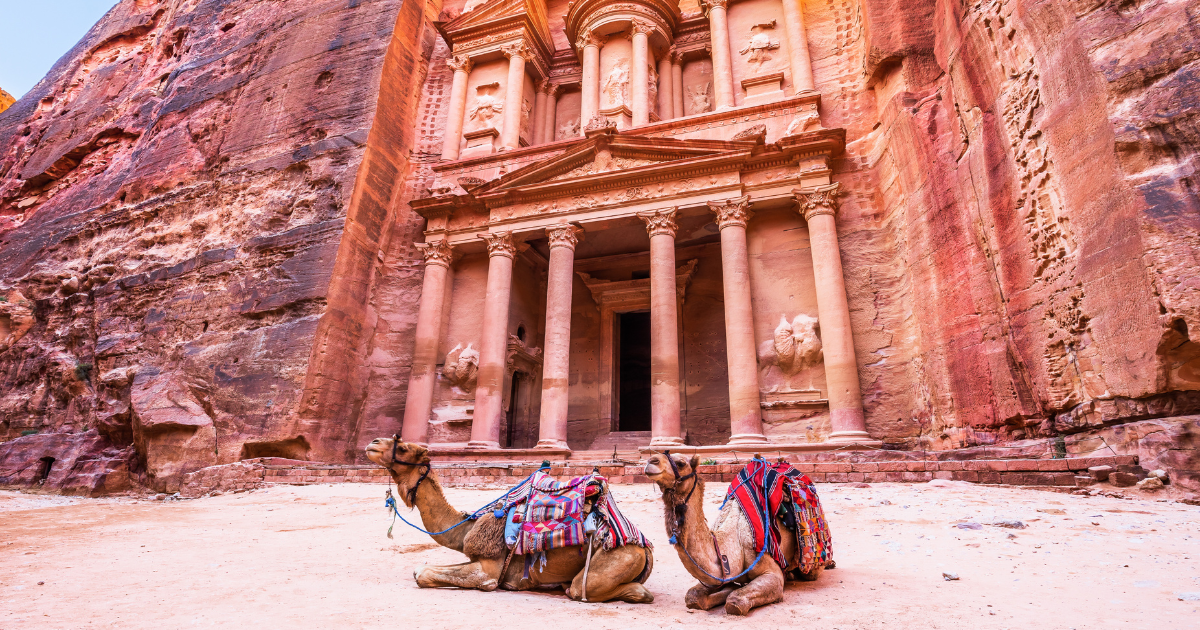
Compare top-rated nabataean history & archaeology walks in Petra. Small-group and guided options with local experts — see prices and availability below.
Step back in time and immerse yourself in the remarkable civilization that carved Petra from rose-red sandstone cliffs. Nabataean History & Archaeology Walks in Petra are designed for the curious traveler, offering a deep dive into the ingenuity and daily life of this ancient trading empire. These guided excursions go beyond the surface, revealing the intricate details of Nabataean architecture, their sophisticated water management systems, and their profound influence on regional trade routes. You'll learn how these desert dwellers mastered their environment, building a thriving city that continues to awe visitors millennia later. Forget skimming the surface; these tours are about understanding the context and the stories behind the monumental facades. Expert guides, often with backgrounds in archaeology or history, illuminate the significance of structures like the Treasury (Al-Khazneh) and the Monastery (Ad-Deir), not just as visually stunning landmarks, but as testament to Nabataean engineering prowess and artistic vision. You'll explore lesser-known tombs, delve into the remnants of their residential areas, and gain insights into their religious practices and social structures. These walks provide a crucial layer of understanding, transforming a visit to Petra into an educational and profoundly rewarding experience, connecting you directly with the human element of this UNESCO World Heritage site. Whether you're a history buff, an archaeology enthusiast, or simply someone who appreciates the depth of human achievement, these specialized tours offer an unparalleled opportunity to connect with Petra's past. They are meticulously curated to provide a comprehensive overview, often including discussions on the Nabataeans' interactions with neighboring cultures like the Romans and Greeks, and their eventual integration into the Roman Empire. By focusing on the historical and archaeological narrative, these tours allow for a more meaningful engagement with the site, making the vastness of Petra not just a collection of ruins, but a living testament to a powerful and innovative people.
Nabataean History & Archaeology Walks in Petra
Compare top-rated nabataean history & archaeology walks in Petra — guided experiences, local experts, and small-group options. See prices, durations, and availability.
- Duration
- Weather
- Group Size
- What's Included
- Meeting Point
Looking to book? View all available nabataean history & archaeology walks in Petra with live pricing and instant confirmation.
Why Choose Nabataean History & Archaeology Walks in Petra?
Expert Narration
Gain in-depth knowledge from guides passionate about Nabataean history and archaeology.
Contextual Understanding
Learn the stories and significance behind Petra's iconic and hidden structures.
Small Group Focus
Enjoy a more personal and interactive experience, allowing for questions and deeper engagement.
Beyond the Surface
Discover the engineering, trade, and daily life of the Nabataeans, not just the famous facades.
Curated Itineraries
Tours are often designed to cover key archaeological sites efficiently and informatively.
Photo Opportunities
Learn about the historical context that enhances your appreciation of Petra's photogenic wonders.
Types of Nabataean History & Archaeology Walks in Petra
Petra Archaeology Highlights Walk
This tour focuses on the most significant archaeological discoveries within Petra, including the Siq, the Treasury, and the Royal Tombs. It provides a solid overview of Nabataean achievements and their historical context.
Nabataean Engineering & Water Systems Tour
Delve into the ingenious methods the Nabataeans used to manage water in the desert, a crucial element for the city's survival and prosperity. This tour highlights their dams, cisterns, and conduits.
Petra Residential & Sacred Sites Tour
Explore the less-visited areas that offer insight into where and how the Nabataeans lived, worshipped, and conducted their daily lives, moving beyond the grand public monuments.
In-Depth Petra Historical Journey
A more comprehensive experience that combines key archaeological sites with a deeper exploration of Nabataean history, societal structure, and their interactions with other ancient civilizations.
What to Expect on Nabataean History & Archaeology Walks Tours
Duration
Most tours range from 3 to 4 hours, allowing for a thorough exploration without being overly strenuous.
Weather
Petra experiences desert climate. Expect hot, dry conditions, especially from May to September. Lightweight clothing, hats, and sunscreen are essential year-round.
Group Size
Tours often operate in small groups, typically between 6 to 15 people, ensuring a more personalized experience.
What's Included
Typically includes a knowledgeable local guide. Entrance fees to Petra are usually separate and must be purchased in advance or upon arrival.
Meeting Point
Meeting points are usually clearly defined, often at the Petra Visitor Centre or a designated point within the site itself.
Costs
Prices vary based on group size and tour duration, generally starting from around $30 USD per person for group tours and higher for private options.
Expert Tips for the Best Experience
Book your Petra entrance ticket in advance, especially if visiting during peak season. Many tours require this.
Wear sturdy, comfortable walking shoes. You'll be covering a lot of ground on uneven terrain.
Carry plenty of water. Staying hydrated is crucial, particularly during warmer months. Water is available for purchase inside Petra, but it's more expensive.
Arrive early. Starting your tour closer to opening time allows you to experience the Siq with fewer crowds and cooler temperatures.
Consider visiting Petra for at least two days to fully appreciate the historical and archaeological depth without rushing.
Engage with your guide. They are a wealth of knowledge, and asking questions will greatly enhance your understanding.
Be prepared for varying temperatures. Mornings can be cool, while midday can be very hot. Layering clothing is a good strategy.
Respect the site. Avoid touching ancient carvings and stay on designated paths.
Frequently Asked Questions
Q:Do I need to buy a Petra entrance ticket separately for these tours?
A: Yes, in almost all cases, the tour price does not include the Petra entrance fee. You'll need to purchase your Jordan Pass or a separate ticket to enter the archaeological park before your tour begins.
Q:Are these tours suitable for children?
A: Many history and archaeology walks are suitable for older children (around 8-10 and up) who can walk for several hours and are interested in history. It's always best to check the specific tour details for age recommendations.
Q:What if the weather is bad?
A: Tours generally operate rain or shine, as Petra's climate is usually dry. However, in extreme weather conditions, operators typically have cancellation or rescheduling policies, which will be outlined when you book.
Q:How much walking is involved?
A: These walks involve significant walking, often covering several kilometers over uneven terrain, including sandy paths and stairs. Be prepared for a moderate to strenuous level of activity depending on the specific itinerary.
Q:Can I take photos during the tour?
A: Absolutely! Guides often point out key photographic spots and historical context that will enrich your photos. Just be mindful of other tour participants and your guide's instructions.
Q:Are there options for private archaeology tours?
A: Yes, private tours are frequently available. These offer more flexibility, a more personalized experience, and the ability to tailor the focus of the tour to your specific interests in Nabataean history and archaeology.
Q:What's the best time of year to take these tours?
A: Spring (March to May) and autumn (September to November) offer the most pleasant weather for exploring Petra, with comfortable temperatures for walking and extensive sightseeing.
Q:How do I know if a guide is knowledgeable about archaeology?
A: Look for tours that specifically mention 'archaeology' or 'history' in their title and description, and check reviews for comments on the guide's expertise. Many guides are licensed and have specialized training.
Related Travel Guides for Petra
Explore comprehensive guides to plan your perfect trip, including food tours, cultural experiences, and more.
Extra Costs at Petra
Be aware of potential additional fees when exploring the ancient city of Petra.
Petra Airport Transfers
Travelers seeking transfers to Petra from Amman Queen Alia International Airport (AMM) can explore various options. This platform allows you to compare different providers for shared and private transfers, ensuring you find the most suitable and cost-effective journey to the ancient city. Booking in advance is recommended to secure your preferred transfer.
Petra Ancient City Architectural Tours
Explore the monumental Nabataean capital of Petra on tours highlighting its incredible stone-carved architecture and history.
Petra Bedouin Cultural Experiences: Tours & Activities
Immerse yourself in the ancient traditions and desert hospitality of the Bedouin people within the magnificent backdrop of Petra.
Petra: Culinary & Drink Adventures
Savor authentic Jordanian flavors and refreshing drinks in the ancient city of Petra.
Petra: Full-Day Tours
Explore the ancient city of Petra with immersive full-day tour experiences.
Getting Around Petra
Save up to 70% on car rentals in Petra when you compare and book in advance.