Antarctica Expedition Cruises from Punta Arenas
Discover unparalleled Antarctic adventures departing from the historic gateway of Punta Arenas, Chile.
Compare the best antarctica expedition cruises in Punta Arenas — see prices, durations, and book with instant confirmation.
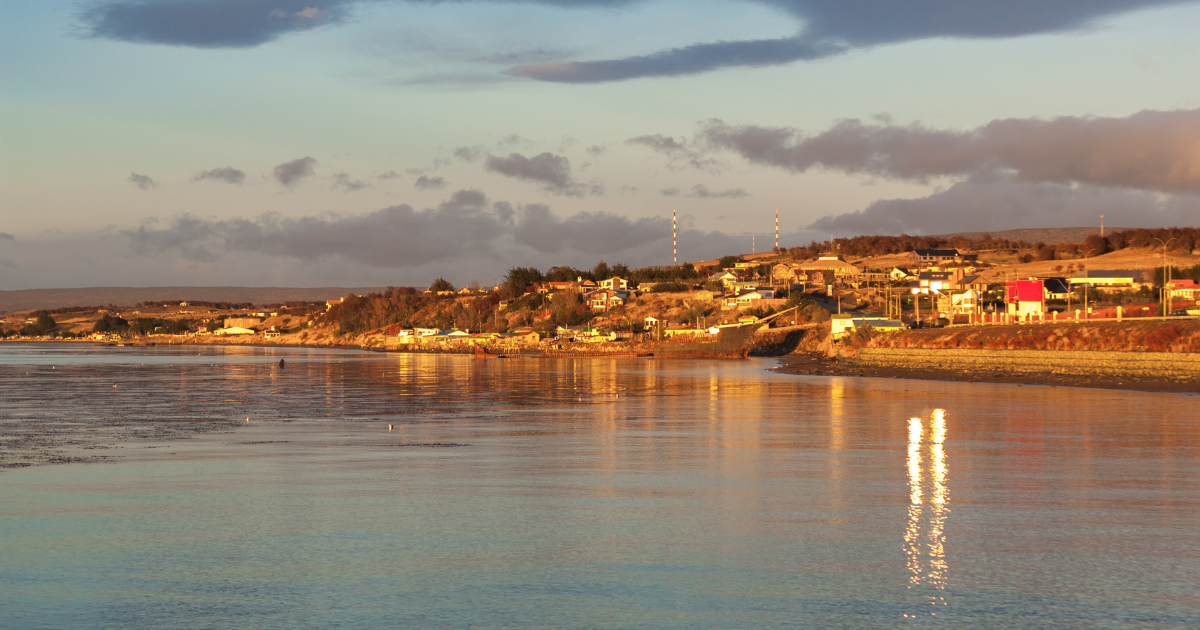
Compare top-rated antarctica expedition cruises in Punta Arenas. Small-group and guided options with local experts — see prices and availability below.
Punta Arenas, nestled on the Strait of Magellan, serves as a crucial and historic departure point for those venturing to the pristine white continent of Antarctica. Unlike quick day trips, Antarctica expedition cruises from this southern Chilean city are immersive journeys, designed to bring you face-to-face with the planet's last great wilderness. These voyages are not just about reaching Antarctica; they are about experiencing it deeply, with onboard lectures, expert guides, and opportunities for zodiac excursions, kayaking, and even polar plunges. Embarking from Punta Arenas means you're setting sail from a region steeped in maritime history, a fitting prelude to the epic scale of the Antarctic. The expedition vessels themselves are designed for polar waters, often featuring ice-strengthened hulls and comfortable amenities. They carry seasoned naturalists, historians, and expedition leaders who enrich your understanding of the fragile ecosystem, the dramatic landscapes, and the incredible wildlife you'll encounter, from colossal icebergs to colonies of penguins and majestic whales. These aren't just sightseeing tours; they are educational and adventurous expeditions that demand preparation and an open mind for the extraordinary.
Antarctica Expedition Cruises in Punta Arenas
Compare top-rated antarctica expedition cruises in Punta Arenas — guided experiences, local experts, and small-group options. See prices, durations, and availability.
- Duration
- Weather
- Group Size
- What's Included
- Meeting Point
Looking to book? View all available antarctica expedition cruises in Punta Arenas with live pricing and instant confirmation.
Why Choose Antarctica Expedition Cruises in Punta Arenas?
Gateway to the White Continent
Punta Arenas is a primary hub for accessing the most iconic Antarctic destinations, offering efficient departure points.
Expert Expedition Teams
Voyages are led by seasoned naturalists, historians, and polar experts who provide invaluable insights.
Immersive Wildlife Encounters
Opportunities to see penguins, seals, whales, and diverse birdlife in their natural, undisturbed habitats.
Stunning Glacial Landscapes
Witness towering icebergs, vast ice sheets, and dramatic coastal scenery that defines Antarctica.
Adventure Activities
Many expeditions offer zodiac cruising, kayaking, and shore landings for a more intimate exploration.
Educational Enrichment
Onboard lectures and presentations deepen your understanding of Antarctic history, geology, and ecology.
Types of Antarctica Expedition Cruises in Punta Arenas
Classic Antarctic Peninsula Expeditions
These are the most common and sought-after voyages, typically focusing on the western side of the Antarctic Peninsula. Expect landings at scientific research stations and wildlife-rich bays.
Antarctic Circle Voyages
Slightly longer trips that aim to cross the Antarctic Circle (66.5° S latitude). This adds a unique achievement and often leads to more remote areas with potentially different wildlife sightings.
Photography Focused Expeditions
These voyages cater to photography enthusiasts, often with expert photographers onboard to guide participants. Schedules may be optimized for light and wildlife opportunities.
South Georgia & Falklands Add-ons
While not strictly Antarctica, many longer expeditions from Punta Arenas include visits to the sub-Antarctic islands of South Georgia and the Falklands. These islands boast incredible wildlife, particularly king penguins.
What to Expect on Antarctica Expedition Cruises from Punta Arenas
Duration
Expedition cruises to Antarctica from Punta Arenas typically range from 10 days to over 20 days, depending on the itinerary and destinations included (e.g., Peninsula, Circle, South Georgia).
Weather
Expect cold temperatures, often hovering around freezing or slightly below. Weather is highly variable, with potential for sun, snow, and strong winds. Layering is essential.
Group Size
Expedition vessels vary, but passenger numbers are usually limited to 100-200 people to comply with environmental regulations and enhance the experience. Zodiac groups are typically 10-20.
What's Included
Generally includes accommodation onboard, all meals, lectures, zodiac excursions, shore landings, and use of rubber boots for landings. Exclusions often include flights to/from Punta Arenas, travel insurance, and personal expenses.
Meeting Point
Tours commence at the expedition ship docked in Punta Arenas, or at a designated hotel/meeting point in the city for transfer to the ship. Specific details are provided upon booking.
Additional Costs
Budget for pre- and post-cruise accommodation in Punta Arenas, optional activities like kayaking or camping, gratuities for the crew, and souvenirs. Expedition gear may be available for rent or purchase.
Expert Tips for the Best Experience
Book well in advance, as Antarctica expedition cruises are popular and tend to fill up months, even a year, ahead of departure.
Pack layers! Thermal base layers, fleece mid-layers, and a waterproof/windproof outer shell are crucial for comfort.
Invest in good quality waterproof gloves and a warm hat; extremities lose heat quickly.
Bring sea-sickness medication and patches, even if you don't normally get seasick. The Drake Passage can be rough.
Familiarize yourself with the IAATO (International Association of Antarctica Tour Operators) guidelines to understand responsible tourism practices.
Don't underestimate the power of binoculars – they are essential for spotting wildlife from the ship and on shore.
Ensure your travel insurance covers emergency medical evacuation from remote polar regions.
Arrive in Punta Arenas at least one day before your cruise departs to allow for any travel delays and to acclimatize.
Frequently Asked Questions
Q:What's the best time of year for an Antarctica expedition cruise from Punta Arenas?
A: The Antarctic travel season typically runs from November to March. November offers pristine snow and courting penguins, December and January are peak summer with longer daylight hours and penguin chicks, while February and March offer great whale watching and stunning light.
Q:Is the Drake Passage crossing always rough?
A: The Drake Passage can be unpredictable. While it's infamous for being rough, it can also be surprisingly calm. Many travelers find they experience a moderate crossing, but it's wise to be prepared for potential turbulence.
Q:What kind of wildlife can I expect to see?
A: You can expect to see various penguin species like Gentoo, Chinstrap, and Adelie. Seals such as Leopard, Crabeater, and Weddell seals are common, and whale sightings (Humpback, Minke, Orca) are frequent, especially later in the season.
Q:Do I need special gear or vaccinations for Antarctica?
A: No specific vaccinations are required for Antarctica. The most important gear is warm, waterproof, and windproof clothing. Most expedition operators provide rubber boots for landings, and some offer parkas to keep.
Q:Can I go ashore in Antarctica?
A: Yes, most expedition cruises include shore landings and zodiac excursions. These are strictly regulated by IAATO to protect the environment, meaning you'll be guided by expedition staff and follow strict biosecurity protocols.
Q:What is the typical itinerary for a Punta Arenas departure?
A: A common itinerary involves crossing the Drake Passage, spending several days exploring the South Shetland Islands and the Antarctic Peninsula, then crossing the Drake back to Punta Arenas. Longer trips may include further destinations.
Q:How much does an Antarctica expedition cruise cost?
A: Prices vary significantly based on the ship's comfort level, cabin type, and itinerary length. Shorter, more basic trips might start around $7,000-$10,000 per person, while longer, more luxurious expeditions can cost $15,000-$30,000 or more.
Q:Can I book optional activities like kayaking or camping?
A: Many expedition operators offer optional activities such as sea kayaking, snowshoeing, or even overnight camping on the continent. These usually come at an additional cost and need to be booked in advance.
Related Travel Guides for Punta Arenas
Explore comprehensive guides to plan your perfect trip, including food tours, cultural experiences, and more.
Punta Arenas Airport Transfers
Secure your journey from Presidente Carlos Ibáñez del Campo International Airport (PUQ) to Punta Arenas with ease. Travelers can compare a variety of shared and private transfer options from different providers, ensuring a convenient start to their Chilean adventure. Booking in advance is recommended for popular routes and times.
Unforgettable Punta Arenas Adventures
Discover the best experiences and make the most of your time in this Patagonian city.
Punta Arenas Bus Tours
Discover the highlights of Punta Arenas with convenient and comfortable bus tour options.
Punta Arenas Day Trip Adventures
Explore the stunning landscapes and wildlife surrounding Punta Arenas on unforgettable day trips.
Punta Arenas: Experiences Not for All
Discover experiences in Punta Arenas that may not be suitable for everyone.
Punta Arenas: Food & Drink Delights
Savor the flavors of Patagonia with culinary tours and local experiences.
Getting Around Punta Arenas
Save up to 70% on car rentals in Punta Arenas when you compare and book in advance.