Petra's Culinary Secrets: Food Tours & Local Flavors
Taste the rich heritage of Jordan with guided food tours in Petra, exploring authentic dishes and vibrant local markets.
Compare the best jordanian cuisine & local flavors in Petra — see prices, durations, and book with instant confirmation.
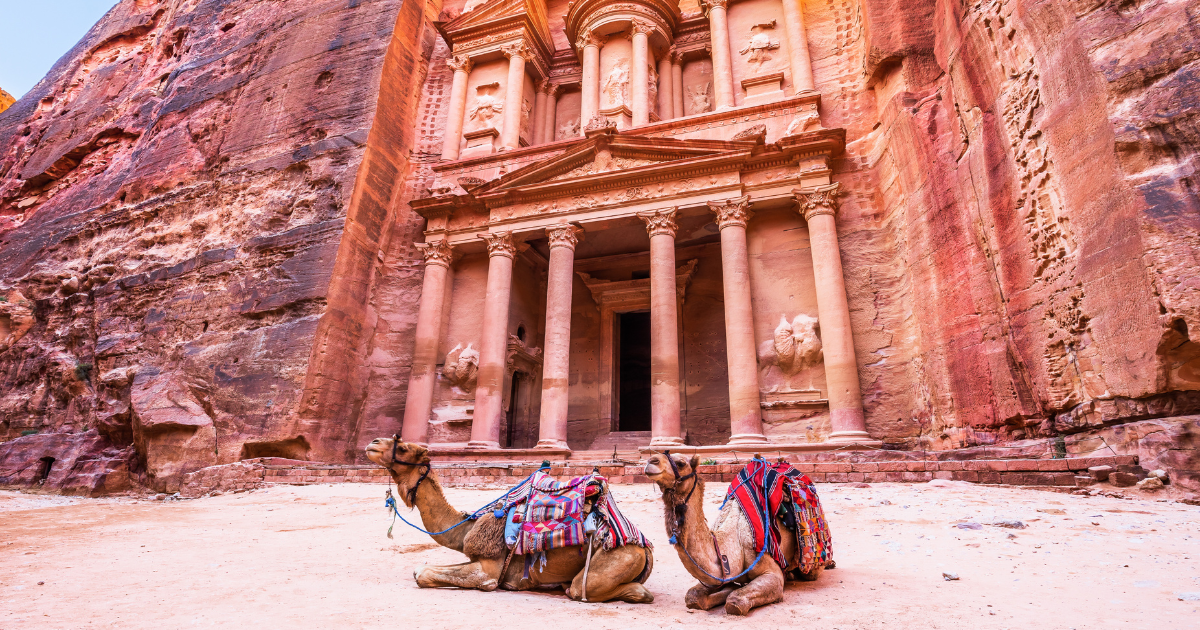
Compare top-rated jordanian cuisine & local flavors in Petra. Small-group and guided options with local experts — see prices and availability below.
Beyond the rose-red city's magnificent facades lies a world of flavor waiting to be discovered. Jordanian cuisine is a testament to centuries of cultural exchange, a delicious blend of Bedouin traditions, Ottoman influences, and Mediterranean freshness. When you visit Petra, a UNESCO World Heritage site renowned for its ancient Nabataean architecture carved directly into sandstone cliffs, engaging with the local food scene offers a unique and deeply rewarding dimension to your exploration. These culinary tours in Petra move beyond the usual tourist trails, delving into the heart of what makes Jordanian food so special. Imagine savoring freshly baked khobz arabi (Arabic bread) still warm from the oven, understanding the subtle spices that define a perfectly cooked mansaf (Jordan's national dish), or experiencing the sweetness of traditional kanafeh made with crisp vermicelli and creamy cheese. The food tours available connect you with the authentic tastes and aromas of Jordan, often guided by locals who share not just recipes, but stories of their heritage. It’s an opportunity to interact with communities, explore bustling local markets away from the main Petra entrance, and understand the agricultural bounty of the region that sustains these time-honored culinary practices. This is about more than just eating; it's about experiencing Petra through its most delicious expressions. For travelers seeking a more immersive experience, food and local flavor tours in Petra offer a delightful counterpoint to days spent marveling at ancient wonders. They highlight the warmth and hospitality for which Jordanians are famous, inviting you to share in their culinary traditions. Whether you're a seasoned foodie or simply curious to try something new, these expertly curated experiences provide an authentic gateway to the soul of Jordanian culture, one delectable bite at a time. Prepare to awaken your senses and discover a side of Petra that is as rich and compelling as its ancient monuments.
Jordanian Cuisine & Local Flavors in Petra
Compare top-rated jordanian cuisine & local flavors in Petra — guided experiences, local experts, and small-group options. See prices, durations, and availability.
- Duration
- Weather
- Group Size
- What's Included
- Meeting Point
Looking to book? View all available jordanian cuisine & local flavors in Petra with live pricing and instant confirmation.
Why Choose Jordanian Cuisine & Local Flavors in Petra?
Authentic Flavors
Taste genuine Jordanian dishes prepared with traditional methods and fresh, local ingredients.
Local Insights
Gain deeper cultural understanding from guides who share family recipes and local food traditions.
Market Exploration
Discover bustling local markets, learning about regional produce and ingredients often missed by visitors.
Off-the-Beaten-Path
Venture beyond typical tourist restaurants to experience genuine home-style cooking and neighborhood eateries.
Seasonal Delights
Experience dishes that highlight the best of what Jordan's fertile lands produce throughout the year.
Cultural Immersion
Connect with the heart of Jordanian hospitality through shared meals and conversations.
Types of Jordanian Cuisine & Local Flavors in Petra
Petra Culinary Walking Tours
These tours typically involve walking through Petra's ancient city and surrounding local neighborhoods, stopping at several eateries and food stalls. Expect to sample a variety of small dishes, known as mezze, along with sweet treats and refreshing beverages. Guides often narrate the history of each dish and its cultural significance.
Hands-On Cooking Classes
For a more immersive experience, consider a cooking class. These sessions usually take place in a local home or a dedicated culinary space. You'll learn to prepare classic Jordanian dishes from scratch, often starting with a trip to a market to select ingredients, followed by hands-on cooking and enjoying the meal you've prepared.
Home-Cooked Meal Experiences
This type of tour offers the unique opportunity to dine in a local Jordanian home, sharing a meal with a family. It's a fantastic way to experience genuine hospitality and taste authentic home-style cooking, often featuring family recipes passed down through generations. Conversations with your hosts provide invaluable cultural insights.
Petra Market & Street Food Tours
Focusing on the vibrant local markets and street food scene, these tours are perfect for adventurous eaters. You'll explore where locals shop for produce, spices, and everyday goods, sampling various street foods from vendors, learning about their origins and preparation. It's a dynamic way to experience the everyday flavors of Petra.
What to Expect on Jordanian Cuisine & Local Flavors Tours
Duration
Tours typically range from 3 to 4 hours, allowing ample time for tasting, exploring, and engaging with guides and locals.
Weather
Petra experiences a desert climate. Summers (June-August) are very hot, while spring (March-May) and autumn (September-November) offer pleasant temperatures ideal for walking and eating. Winters can be cool to cold.
Group Size
Group sizes vary, but many tours prioritize smaller groups (often 6-10 people) to ensure a more personal and interactive experience.
What's Included
Most tours include all food and drink tastings, guided commentary, and market visits. Cooking classes typically include the meal you prepare. Check individual tour details for specifics.
Meeting Point
Meeting points are usually in central locations in Wadi Musa (the town adjacent to Petra) or near specific landmarks within or outside the archaeological site. Exact locations are provided upon booking.
Costs
Prices typically range from $35 to $80 USD per person, depending on the tour's duration, inclusions (like a full meal or cooking class), and exclusivity.
Expert Tips for the Best Experience
Wear comfortable walking shoes; you'll be on your feet a lot, both in the city and potentially in markets.
Stay hydrated, especially during warmer months. Carry a reusable water bottle; many guides can point out safe refill spots.
Inform your tour provider of any dietary restrictions or allergies well in advance. Most operators are accommodating.
Bring an open mind and an adventurous palate. Be willing to try new ingredients and flavor combinations.
Don't be afraid to ask questions. Guides are passionate about their culture and eager to share knowledge.
Carry a small amount of local currency (Jordanian Dinars) for any impromptu purchases or tips if you feel inclined.
Consider booking a tour towards the end of your Petra visit. It's a great way to reflect on the history you've seen through its food.
Look for tours that include visits to areas slightly outside the main tourist paths to experience truly local establishments.
Frequently Asked Questions
Q:Are food tours suitable for vegetarians or vegans?
A: Yes, many Jordanian dishes can be adapted for vegetarian or vegan diets. It's crucial to inform the tour operator about your dietary needs when booking so they can make arrangements, such as focusing on vegetable mezze, legumes, and fruit-based desserts.
Q:What is Mansaf, and will I get to try it?
A: Mansaf is considered Jordan's national dish, traditionally made with lamb cooked in a sauce of fermented dried yogurt (jameed) and served over rice or bulgur with nuts. Many culinary tours will feature it, either as a tasting or as part of a full meal, though it might be less common on very short street food tours.
Q:How much food is typically sampled on a tour?
A: Expect to sample a variety of small dishes, similar to a tapas-style meal. The goal is to taste multiple flavors rather than to have a single, very large portion. Most people find the amount to be satisfying by the end of the tour.
Q:Do I need to tip my guide?
A: Tipping is customary in Jordan for good service. While not always mandatory for tours, a tip of 10-15% of the tour cost is appreciated if you enjoyed your experience and felt your guide went above and beyond.
Q:Can I buy spices or local products on a food tour?
A: Yes, many tours, especially those involving market visits, provide opportunities to purchase local spices, olive oil, or other regional products. Your guide can often recommend reputable vendors.
Q:Are these tours safe in terms of food hygiene?
A: Reputable tour operators prioritize food safety and partner with established, clean eateries and vendors. They are knowledgeable about local hygiene standards and will guide you to safe tasting experiences.
Q:What's the difference between a 'food tour' and a 'cooking class'?
A: A food tour is primarily about tasting and experiencing different dishes and flavors at various locations, often with a guide providing cultural context. A cooking class is hands-on, where you actively learn to prepare specific Jordanian dishes yourself, usually culminating in eating what you've cooked.
Related Travel Guides for Petra
Explore comprehensive guides to plan your perfect trip, including food tours, cultural experiences, and more.
Extra Costs at Petra
Be aware of potential additional fees when exploring the ancient city of Petra.
Petra Airport Transfers
Travelers seeking transfers to Petra from Amman Queen Alia International Airport (AMM) can explore various options. This platform allows you to compare different providers for shared and private transfers, ensuring you find the most suitable and cost-effective journey to the ancient city. Booking in advance is recommended to secure your preferred transfer.
Petra Ancient City Architectural Tours
Explore the monumental Nabataean capital of Petra on tours highlighting its incredible stone-carved architecture and history.
Petra Bedouin Cultural Experiences: Tours & Activities
Immerse yourself in the ancient traditions and desert hospitality of the Bedouin people within the magnificent backdrop of Petra.
Petra: Culinary & Drink Adventures
Savor authentic Jordanian flavors and refreshing drinks in the ancient city of Petra.
Petra: Full-Day Tours
Explore the ancient city of Petra with immersive full-day tour experiences.
Getting Around Petra
Save up to 70% on car rentals in Petra when you compare and book in advance.