Petra Hiking & Trekking Adventures | Discover Jordan
Embark on guided hikes through Petra's ancient trails, uncovering breathtaking vistas and historical secrets beyond the iconic Treasury.
Compare the best petra hiking & trekking adventures in Petra — see prices, durations, and book with instant confirmation.
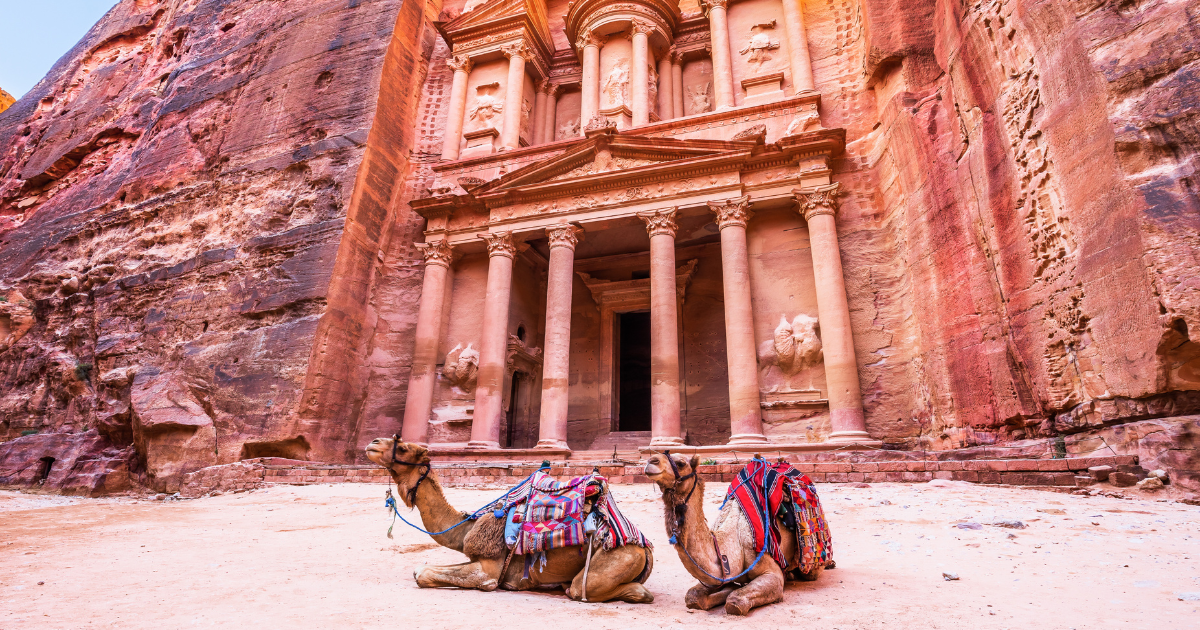
Compare top-rated petra hiking & trekking adventures in Petra. Small-group and guided options with local experts — see prices and availability below.
Beyond the awe-inspiring facade of Al-Khazneh (The Treasury), the rose-red city of Petra offers a vast and intricate landscape ripe for exploration on foot. Petra Hiking & Trekking Adventures unlock access to these lesser-trodden paths, revealing a side of this UNESCO World Heritage site that few visitors experience. These guided excursions are designed for those who wish to delve deeper into the Nabataean kingdom's ingenuity, its stunning natural surroundings, and the sheer scale of its architectural achievements. Imagine traversing ancient Nabataean trails that once served as vital trade routes, the air alive with the echoes of history. Tours often lead to panoramic viewpoints overlooking the main city, offering a unique perspective on the valley's dramatic geological formations and the sprawling network of tombs, temples, and dwellings carved directly into the sandstone cliffs. You might find yourself scrambling up to the Monastery (Ad-Deir) via a challenging but rewarding route, or exploring the high places of sacrifice, where ancient rituals took place amidst sweeping desert vistas. These aren't just walks; they are immersive journeys into a landscape where nature and human endeavor have created something truly extraordinary. Whether you're an avid trekker or simply seeking a more active way to experience Petra's wonders, these tours provide an intimate encounter with the ancient world. Guides, often locals with deep knowledge of the area, share insights into the archaeology, geology, and Bedouin culture, enriching the hiking experience. They can point out hidden caves, explain the water management systems, and recount tales of the Nabataeans, bringing the silent stones to life. By venturing off the main paths, you gain a profound appreciation for the sheer effort involved in creating Petra and the resilience of its inhabitants, all while surrounded by the breathtaking beauty of the Jordanian desert.
Petra Hiking & Trekking Adventures in Petra
Compare top-rated petra hiking & trekking adventures in Petra — guided experiences, local experts, and small-group options. See prices, durations, and availability.
- Duration
- Weather
- Group Size
- What's Included
- Meeting Point
Looking to book? View all available petra hiking & trekking adventures in Petra with live pricing and instant confirmation.
Why Choose Petra Hiking & Trekking Adventures in Petra?
Uncover Hidden Vistas
Access viewpoints and trails offering breathtaking panoramic perspectives of Petra's vast landscape, often missed by casual visitors.
Deeper Historical Insights
Gain a richer understanding of Nabataean history, culture, and engineering from knowledgeable local guides who illuminate the significance of each site.
Safe and Structured Exploration
Navigate challenging terrain with expert guides, ensuring a safe and enjoyable experience while discovering remote areas of the archaeological park.
Active and Immersive Experience
Engage with the ancient city on foot, offering a more physical and intimate connection with Petra's remarkable ruins and natural surroundings.
Smaller Group Dynamics
Enjoy a more personalized experience with often smaller group sizes, allowing for better interaction with guides and fellow explorers.
Access to Remote Sites
Explore significant locations like the Monastery via less-trafficked routes or venture to high places of sacrifice and ancient water cisterns.
Types of Petra Hiking & Trekking Adventures in Petra
Classic Petra Hike (The Monastery Route)
This popular trek focuses on the ascent to Ad-Deir (The Monastery), one of Petra's most impressive monuments. The path involves a significant climb via steps, rewarding hikers with stunning views and the grandeur of the structure.
High Place of Sacrifice Trek
Venture to the summit overlooking Petra's main city. This route offers incredible archaeological insights into Nabataean ritual practices and provides sweeping vistas of the Treasury, the Royal Tombs, and the surrounding mountains.
Hidden Trails & Wadi Exploration
These tours go beyond the main routes, exploring lesser-known Nabataean paths, wadis, and viewpoints. They often reveal ancient cisterns, rock-cut dwellings, and offer a more secluded experience of Petra's natural beauty.
Sunrise/Sunset Hiking Tours
Experience Petra's magic during the golden hours. These tours often involve an early morning or late afternoon hike to a prime viewpoint, allowing for spectacular photography and a serene encounter with the ancient city bathed in soft light.
What to Expect on Petra Hiking & Trekking Adventures Tours
Duration
Tours typically range from 3 hours to a full day (7-8 hours), depending on the chosen route and intensity. Shorter hikes focus on specific sites, while longer treks cover more extensive areas.
Weather
Petra experiences hot, dry desert conditions, especially from May to September. Winters can be cool and occasionally rainy. Always check the forecast; sun protection and hydration are crucial year-round.
Group Size
Group sizes can vary. Many hiking tours aim for smaller groups (5-15 people) for a more intimate experience, while larger commercial tours might accommodate more. Private options are also available.
What's Included
Typically includes a knowledgeable local guide. Some tours may include bottled water, snacks, or even the Petra entrance fee, though this should be confirmed before booking. Transportation to trailheads is usually part of the tour.
Meeting Point
Most tours meet at or near the Petra Visitor Centre in Wadi Musa. Specific meeting points and times will be provided upon booking, often with options for hotel pickup.
Costs
Prices vary widely based on duration, exclusivity (private vs. group), and what's included. Expect to pay from around $35 USD for shorter group hikes to $100+ USD for longer or private excursions. Petra entrance fees are often separate or included in higher-priced tours.
Expert Tips for the Best Experience
Wear sturdy, broken-in hiking boots with good ankle support; the terrain can be uneven and rocky.
Carry plenty of water – at least 2-3 liters per person, especially during warmer months. Hydration is key in the desert climate.
Dress in layers. Mornings and evenings can be cool, while the sun can be intense midday. Lightweight, breathable fabrics are best.
Always use sun protection: a wide-brimmed hat, sunglasses, and high SPF sunscreen are essential.
A good quality backpack is vital for carrying water, snacks, camera, and any personal items.
Inform your guide of any pre-existing medical conditions or physical limitations you have.
Consider a trekking pole, particularly for the more strenuous ascents and descents, to aid stability and reduce knee strain.
Respect the environment and local culture. Stay on marked paths where indicated and avoid disturbing wildlife or historical sites.
Frequently Asked Questions
Q:Do I need to be very fit to do a Petra hike?
A: Fitness levels vary greatly depending on the tour. The main paths can be walked by most, but treks to places like the Monastery or High Place of Sacrifice involve significant uphill climbs and steps. Always check the tour's difficulty rating and consult your doctor if you have concerns.
Q:Is the Petra entrance fee included in these tours?
A: This varies from tour to tour. Some operators include the Jordan Pass or the Petra entrance fee in their price, while others expect you to have purchased it separately. Always check the tour details carefully before booking to understand what's covered.
Q:Can I hike in Petra on my own?
A: You can certainly walk the main paths independently. However, for accessing more remote trails, gaining deeper insights, and ensuring safety, a guided hiking tour is highly recommended. Guides possess invaluable knowledge of routes and local history.
Q:What is the best time of year for hiking in Petra?
A: Spring (March-May) and Autumn (September-November) offer the most pleasant weather for hiking, with mild temperatures and less intense sun. Summer can be extremely hot, while winter can be cool with occasional rain.
Q:What should I wear for a Petra hike?
A: Comfortable, breathable clothing is essential. Sturdy hiking boots or strong walking shoes with good grip are a must. Consider light trousers or long shorts, and a long-sleeved shirt for sun protection. Don't forget sun protection: hat, sunglasses, and sunscreen.
Q:Are snacks and water provided on these hiking tours?
A: Many tours will provide a bottle or two of water. Some longer treks might include a simple snack. It's always best to bring extra water and your own preferred snacks, as food options within Petra can be limited and pricier on the trails.
Q:How early should I start a hike to avoid crowds?
A: For popular routes like the one to the Monastery, starting as early as possible, ideally at opening time, will help you beat the main crowds. Sunrise tours also offer a significantly less crowded experience.
Q:What kind of wildlife might I see on a Petra hike?
A: You might encounter various desert birds, lizards, and possibly ibex in the more rugged areas. While large mammals are rare to spot, the ecosystem is diverse. Remember to observe from a distance and never feed or disturb the animals.
Related Travel Guides for Petra
Explore comprehensive guides to plan your perfect trip, including food tours, cultural experiences, and more.
Extra Costs at Petra
Be aware of potential additional fees when exploring the ancient city of Petra.
Petra Airport Transfers
Travelers seeking transfers to Petra from Amman Queen Alia International Airport (AMM) can explore various options. This platform allows you to compare different providers for shared and private transfers, ensuring you find the most suitable and cost-effective journey to the ancient city. Booking in advance is recommended to secure your preferred transfer.
Petra Ancient City Architectural Tours
Explore the monumental Nabataean capital of Petra on tours highlighting its incredible stone-carved architecture and history.
Petra Bedouin Cultural Experiences: Tours & Activities
Immerse yourself in the ancient traditions and desert hospitality of the Bedouin people within the magnificent backdrop of Petra.
Petra: Culinary & Drink Adventures
Savor authentic Jordanian flavors and refreshing drinks in the ancient city of Petra.
Petra: Full-Day Tours
Explore the ancient city of Petra with immersive full-day tour experiences.
Getting Around Petra
Save up to 70% on car rentals in Petra when you compare and book in advance.